Best Multi-Day Hikes in Sri Lanka You Can Do Without Camping
A long-distance trek is challenging enough without pitching a tent every night. Here's our pick of Sri Lanka's most rewarding hiking routes — the Pekoe Trail, Sinharaja, Horton Plains, Knuckles, Hantana, Ella and Nuwara Eliya — complete with atmospheric overnight stays in tea bungalows, forest lodges and heritage guesthouses.
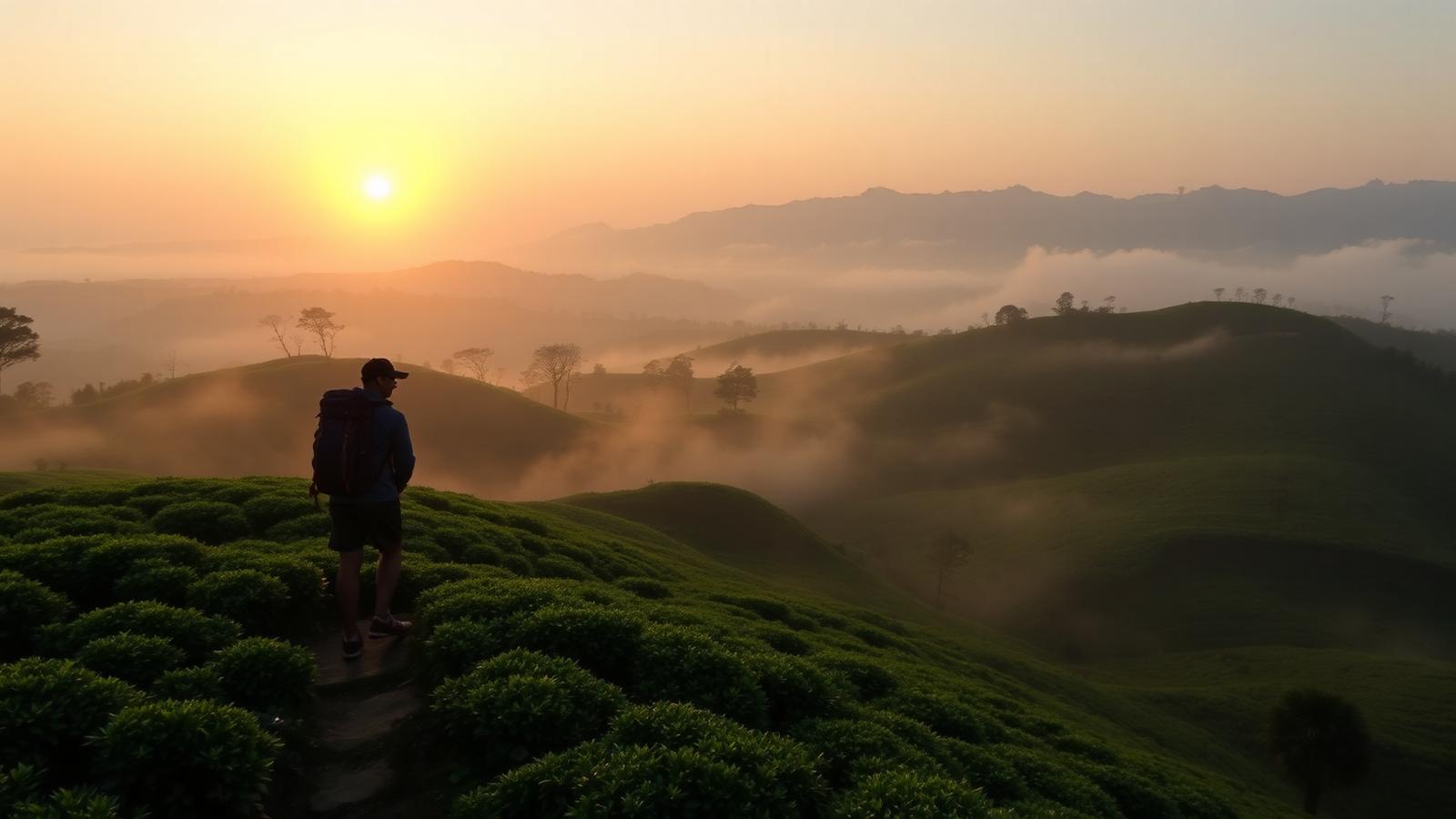
A multi-day hike is a very particular kind of challenge. The demands on mind and body layer up day after day, and to face them in the best possible shape you need proper rest each night. That's far easier under a solid roof than the flapping canvas of a tent — and in several of Sri Lanka's protected reserves, wild camping simply isn't permitted. Happily, this small tropical island is exceptionally well-equipped with colonial tea bungalows, forest eco-lodges, family-run guesthouses and heritage hotels. Whether you're walking through mist-drenched cloud forest or high grassland the colour of wheat, you can end every day with a hot shower, a home-cooked curry and a proper bed.
These are the best hikes in Sri Lanka for travellers who want the wilderness by day and comfort by night. For custom itineraries, transfers and pre-booked stays along each route, Serendipity Tours can put the entire trip together for you.
The Pekoe Trail, Central Highlands
From a distance it sounds like madness — a 300-kilometre, 22-stage footpath threading through the entire hill country, from Kandy in the north to Nuwara Eliya, Hatton, Haputale and finally Ella in the south. But the closer you look, the more enticing the Pekoe Trail becomes. Launched in 2023 and modelled loosely on Europe's great long-distance paths, it links historic tea estates, plucker villages, colonial railway stations and misted viewpoints into one continuous walking route. You won't need a tent on a single night of it.
Most trekkers cherry-pick three to seven stages according to fitness and interest. Stages 5–9 around Nuwara Eliya and Kandapola are widely considered the most spectacular, crossing tea gardens at 2,000 metres with views of Sri Pada (Adam's Peak) on clear mornings. Overnight stays range from restored British planter's bungalows to family homestays serving rice and curry on the veranda. Trains and tuk-tuks let you skip any section that a monsoon shower makes unpleasant.
- Length: 300 km / 22 stages (walk 3–10 stages typically)
- Difficulty: Moderate; mostly graded tea-estate paths
- Best months: January to April
- Sleep: Tea bungalows, boutique hotels, village homestays
Sinharaja Rainforest, Wet Zone
Sri Lanka's last significant primary lowland rainforest — a UNESCO World Heritage site — is a green cathedral of buttressed trees, leaf-litter frogs and endemic birds. You cannot legally camp inside Sinharaja, but that's a blessing in disguise. A cluster of small eco-lodges and family-run guesthouses lines the fringes at Kudawa (north) and Deniyaya (south), giving you a warm bed within earshot of the dawn chorus.
The classic route is a two- or three-day traverse from Kudawa to Deniyaya (or vice versa) with a licensed forest guide, sleeping one night at a research-station-style lodge deep inside the buffer zone and another at a village guesthouse. Days on the trail deliver purple-faced langurs, Sri Lanka blue magpies, mixed-species bird waves and, if you're extraordinarily lucky, a glimpse of the endemic serendib scops owl. Leech socks are essential year-round.
Horton Plains National Park & the Wider Central Ridge
At 2,100 metres, Horton Plains is high, cold, and utterly unlike lowland Sri Lanka — a montane grassland of tussocky patana and stunted cloud forest, crowned by the vertigo-inducing drop of World's End. The park itself is a strict day-use reserve, but linking it into a two- or three-day walk is straightforward: sleep in Ohiya or Pattipola in a rustic Sri Lanka Railways-era guesthouse, hike into the park at first light for the classic World's End–Baker's Falls loop, then descend on foot along old estate roads to Ohiya or Haputale for the second night.
Fit walkers can extend the route across Idalgashinna and along the Devil's Staircase ridge — a spectacular high-level traverse that ends at Ohiya or Bambarakanda, Sri Lanka's tallest waterfall. Every night has a solid roof, and every day feels like walking somewhere between the Scottish Highlands and the roof of the tropics.
Knuckles Forest Range, Matale
East of Kandy, the Knuckles massif rises in a jagged fist of peaks that gave the range its English name. This is Sri Lanka's most varied hiking terrain — cloud forest, pine plantation, open pygmy forest, hidden waterfalls and Sinhala hamlets where paddy is still cut by hand. A three- to four-day trek from Corbet's Gap to Meemure and back to Riverston can be strung together entirely with village homestays and small eco-lodges. No tent needed.
The remote village of Meemure, reachable only on foot or by rugged 4×4, is the emotional heart of any Knuckles hike. Sleep on a family veranda, wake to the sound of a river, and set out at dawn for the summit of Lakegala — a granite dome the locals believe is the launching pad from which the demon-king Ravana flew his mythical Dandu Monara. Because the range has its own microclimate, pack for both heat and drizzle in the same day.
Hantana Mountain Range, Kandy
If you're short on time or new to multi-day walking, the seven-peaked Hantana range just outside Kandy is the perfect training ground. The classic two-day traverse crosses all seven summits from Kondadeniya to the Ceylon Tea Museum, with an overnight stop at a small guesthouse or boutique hotel in the tea village of Hantana itself. Views sweep across the sacred hill capital, the Mahaweli valley and, on unusually clear afternoons, all the way to Sri Pada.
It's a gentle introduction to Sri Lankan hill walking — well-marked, never technical, always within reach of a road if the weather turns. Combine it with a rest day exploring Kandy's Temple of the Tooth and the Peradeniya Botanical Gardens for a beautifully balanced first week.
Ella and the Southern Hill Country
The small hill town of Ella has become Sri Lanka's backpacker capital for good reason: within a five-kilometre radius sit three of the country's most photographed short hikes — Little Adam's Peak, Ella Rock and the Nine Arches Bridge. Chained together over three or four days, and extended west toward Lipton's Seat and Haputale, they form one of the most rewarding walking loops on the island. Every night ends in a proper bed, most with a valley view.
The signature walk climbs from Ella through cardamom and eucalyptus to Lipton's Seat — the promontory where Sir Thomas Lipton once surveyed his tea empire. Set out before dawn and you'll watch the sun rise over seven provinces at once. Overnight in a Dambatenne planter's bungalow or a Haputale guesthouse, then descend the following day through Diyaluma Falls country.
Nuwara Eliya and the Sri Pada Pilgrim Trail
At 1,900 metres, Nuwara Eliya — "Little England" — is the natural base for the final and most spiritually charged multi-day walk on this list: the pilgrim's route up Sri Pada (Adam's Peak). From December to May, thousands climb the 5,500 steps by moonlight to reach the summit's sacred footprint at dawn. String it into a three-day walking itinerary that begins with tea-estate hikes around Pedro and Lover's Leap, continues by train to Hatton, and ends with the overnight ascent from Dalhousie.
You'll sleep in a colonial-era Nuwara Eliya hotel on night one, a simple pilgrim guesthouse in Dalhousie on night two, and — if you've timed it well — you'll be back in a hot shower before lunchtime on day three, with one of the most memorable sunrises of your life already tucked into your memory.
Best Time to Hike in Sri Lanka
| Region | Best Months | Avoid |
|---|---|---|
| Central Highlands (Pekoe, Horton Plains, Nuwara Eliya, Ella) | January – April | October – November (NE monsoon) |
| Sinharaja Rainforest | January – March, July – September | May – June, October – November |
| Knuckles Range | February – April, July – September | November – January |
| Hantana / Kandy | Year-round (drier Jan – Apr) | Heavy inter-monsoon showers |
What to Pack
- Broken-in trail shoes with good grip — most paths are wet at some point
- Lightweight rain shell (afternoon showers arrive without warning)
- A warm fleece for Horton Plains and Nuwara Eliya nights (temperatures drop near freezing)
- Leech socks for rainforest and Knuckles stages
- Refillable water bottle with filter — tap water is not drinkable
- Cash in small notes for village homestays and tea-shop lunches
Plan Your Sri Lankan Hiking Trip
None of these routes require you to carry a tent, but almost all of them benefit enormously from a local guide, pre-booked accommodation and reliable transfers between trailheads. Serendipity Tours — a Sri Lanka-based operator specialising in nature and adventure travel — can assemble any of the itineraries above with private drivers, English-speaking guides and hand-picked stays. For a shorter taste of wild Sri Lanka before or after your trek, their 2-Day Rainforest & National Park Wildlife Tour pairs beautifully with a Sinharaja crossing.
Prefer to pace yourself with day trips first? Our guide to easy one-day trips from Colombo is a gentle warm-up, while the Cultural Triangle road trip around Sigiriya, Dambulla and Polonnaruwa covers the lowland heritage side of the island. Wildlife lovers should also read our features on Sri Lanka safari tours and the overnight stay experience in Yala National Park.
Sri Lanka packs an astonishing variety of terrain into a country you can drive across in a day. Choose one route, or link two — either way, you'll come home with the muscles of a long-distance hiker and the well-fed contentment of someone who never had to sleep on the ground.
Reader reviews
No reviews yet — be the first to share your experience.