Exploring monsoon trails in Sri Lanka
As mist, rain and fresh greenery transform Sri Lanka's central highlands and rainforests, guided treks are drawing adventurers to cloud-wrapped summits, thundering waterfalls and remote hill villages.
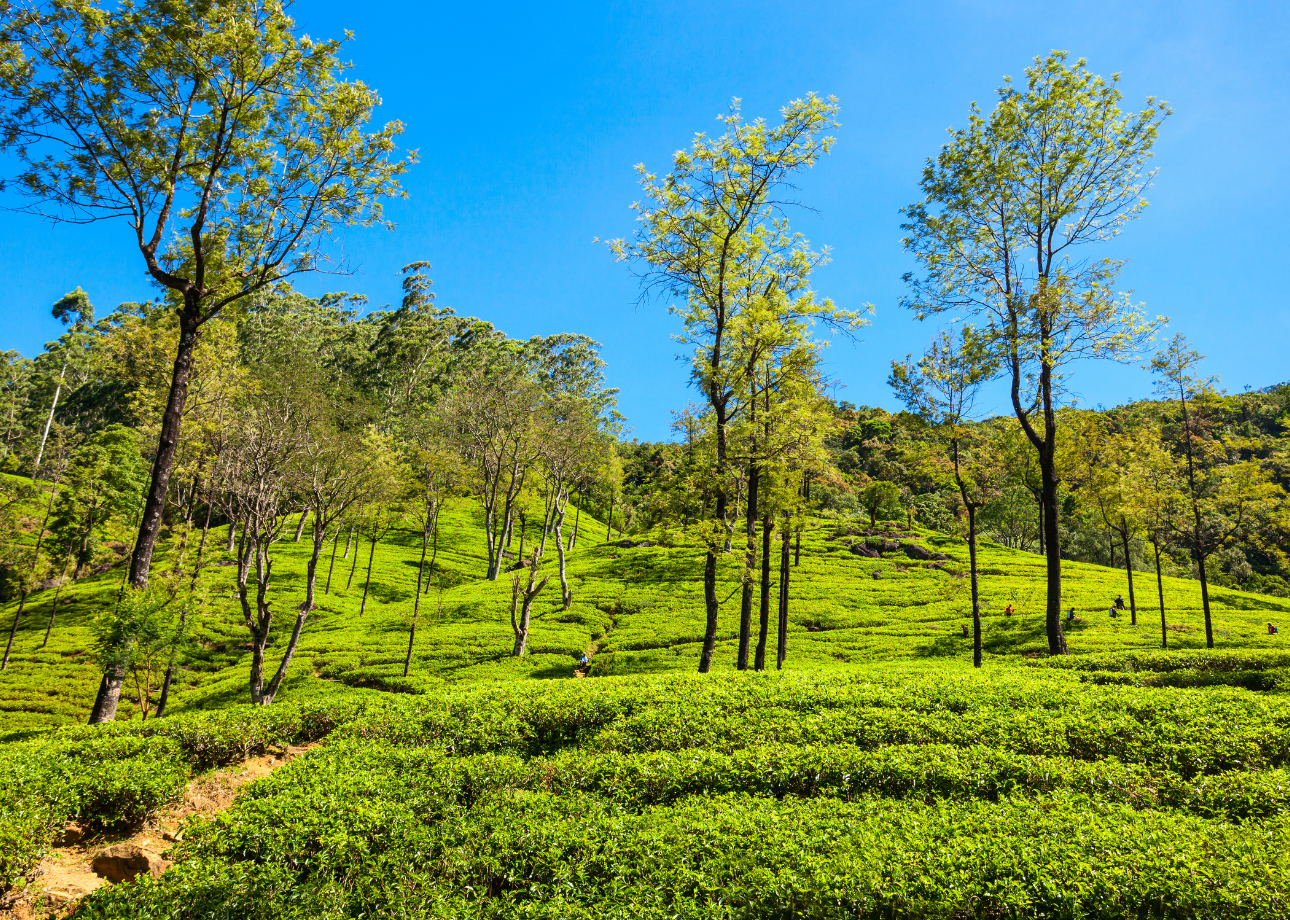
The first showers rarely arrive quietly in Sri Lanka's hill country. They roll in over the tea-covered ridges of Nuwara Eliya, drape the peaks of the Knuckles in slow-moving mist, awaken hundreds of seasonal streams and paint the slopes in countless shades of green. For trekking enthusiasts, this is the season when the island's mountains shed their dry-season character and reveal a landscape that is at once cooler, quieter and richly alive.
Over the last few years, guided trekking groups have noticed a growing interest in monsoon hikes among seasoned trekkers, families and first-time walkers looking to spend a weekend outdoors. Operators such as Seerendipity Tours and Serendipity Private Tours now run guided treks across several parts of the central highlands and the wet zone rainforests — ranging from demanding summit expeditions to short waterfall walks suitable for beginners.
Above the clouds
Among the country's best-known monsoon summit trails are Adam's Peak (Sri Pada), Knuckles Mini World's End, Kirigalpoththa, Thotupola Kanda and the Hanthana range. Most are done as day hikes or spread across two days, combining trekking with camping or an overnight stay at a nearby guesthouse before completing the circuit. Rising between 1,800 and 2,500 metres, these routes are graded easy to moderate — though slippery paths add an extra challenge in the rains.
Monsoon trails at a glance
| Trail | Region | Elevation | Grade | Best window |
|---|---|---|---|---|
| Adam's Peak (Sri Pada) | Sabaragamuwa | 2,243 m | Moderate | Off-season monsoon hike – Jun–Aug (guided only) |
| Mini World's End, Knuckles | Central | 1,192 m | Easy–moderate | Year-round; magical in mist |
| Kirigalpoththa | Horton Plains | 2,388 m | Moderate | Apr–Sep |
| Thotupola Kanda | Horton Plains | 2,357 m | Easy | Year-round |
| Hanthana range | Kandy | ~1,200 m | Easy | May–Sep |
| Sinharaja rainforest | Southern wet zone | 300–1,170 m | Easy–moderate | The monsoon is the experience |
For those seeking shorter outings, day walks to Bomburu Ella, Diyaluma, Bambarakanda and the cascades around Belihuloya have become popular among families and groups of friends. Covering roughly two to five kilometres, most of these trails follow forest paths, tea estate roads and village lanes.
Chaminda Perera, a senior guide with Seerendipity Tours, says the higher elevations offer one of the biggest advantages during the rainy season. "One of the reasons we focus on peaks above 1,500 metres during the monsoon is that the weather is remarkably pleasant at these elevations. While the lower country often receives heavy rainfall, the higher ridges typically experience cool drizzle, passing clouds, mist and refreshing winds," he explains. Above about 2,000 metres, the landscape opens into open patana grasslands dotted with dwarf bamboo and rhododendron — a completely different trekking experience compared with the dense rainforests of Sinharaja or the ridges of the Knuckles.
Among all the routes, the Knuckles range remains his favourite. "It offers some of the longest trekking routes in the country, with trail options from 12 to 35 kilometres. During the monsoon, the entire landscape transforms into lush green meadows, natural springs become active and water is readily available along the higher sections. This allows us to plan longer routes that would be much more demanding in the dry season."
Beyond the trail
A trek through Sri Lanka's hill country also offers a glimpse into the lives of communities who have shaped these mountains for centuries — Sinhalese hill villagers, Tamil tea-estate workers and the indigenous Vedda people around the eastern edge of the Knuckles. The southwest monsoon coincides with the start of the yala paddy season, when terraced fields hum with activity.
- Witness traditional chena and paddy cultivation on the terraced slopes.
- Share a cup of tea with pluckers on the estates around Haputale and Ella.
- Learn about medicinal plants and forest lore from village guides in the Knuckles buffer zone.
For more on this side of the island, see our companion article: Where the mist writes: Haputale's tea estates.
Changing mountains
Regular visits have revealed noticeable ecological changes. Wild cardamom that once grew abundantly around 1,200 metres has declined. Rainfall has become less predictable, seasonal streams behave differently and the flowering cycles of several endemic plants appear to have shifted. Such observations underline the importance of responsible trekking, particularly as visitor numbers keep rising.
Walking wisely
The cooler weather makes monsoon trekking more comfortable, but preparation is essential. Wearing unsuitable footwear, poor navigation and venturing off marked trails are among the most common mistakes. Sri Lanka still lacks a comprehensive network of officially marked mountain trails outside the national parks; until that develops, beginners should always join a guided trek or travel with someone familiar with the terrain.
Monsoon trekking checklist
- Trail shoes with aggressive grip — leeches and slick clay are the two constants.
- A lightweight rain jacket and a dry bag for electronics.
- Salt, tobacco or a leech-repellent spray for the wet zone forests.
- A head torch, whistle and basic first-aid kit.
- Warm layers for camps above 1,800 m — night temperatures can dip to 8 °C.
- At least 2 litres of water and quick-energy snacks.
Campsites should never be chosen for the view alone. Exposed hilltops are vulnerable to strong winds and rapidly changing weather. Camping near villages or designated sites offers greater safety as well as easier access to water and assistance if required.
Preparation at established operators begins well before the trek. Routes are studied, weather forecasts monitored and local guides consulted before every itinerary is finalised. Every trek is backed by first-aid, emergency communication and an evacuation strategy. If conditions become unsafe, the route is changed or the trek is cancelled — reaching the summit is never more important than safety.
Trekkers should also stay away from streams during the monsoon, since water levels can rise unexpectedly because of rainfall upstream, even when the immediate surroundings appear calm. Flash floods in the wet zone — particularly around Sinharaja and Kithulgala — are the single most common cause of accidents in the season.
Planning your own monsoon trek
If you are combining a monsoon hike with a longer trip, plan the wet-zone treks (Sinharaja, Adam's Peak, Kithulgala) between June and September, and swap to the eastern slopes of the Knuckles or the Uva highlands during the inter-monsoon months. For a full two-week route across the island, see our 15 Places to Visit in Sri Lanka: 2 Week Itinerary, or the shorter One Week in Sri Lanka guide.
Return to the main blog for more travel stories from the island.
Reader reviews
No reviews yet — be the first to share your experience.