Top 6 Most Visited National Parks in Sri Lanka Every Nature Lover Should Experience Once in Their Lifetime
From leopard-rich Yala to elephant-packed Udawalawe and misty Horton Plains, discover the 6 most visited national parks in Sri Lanka — with best times to visit, wildlife highlights and practical safari tips.
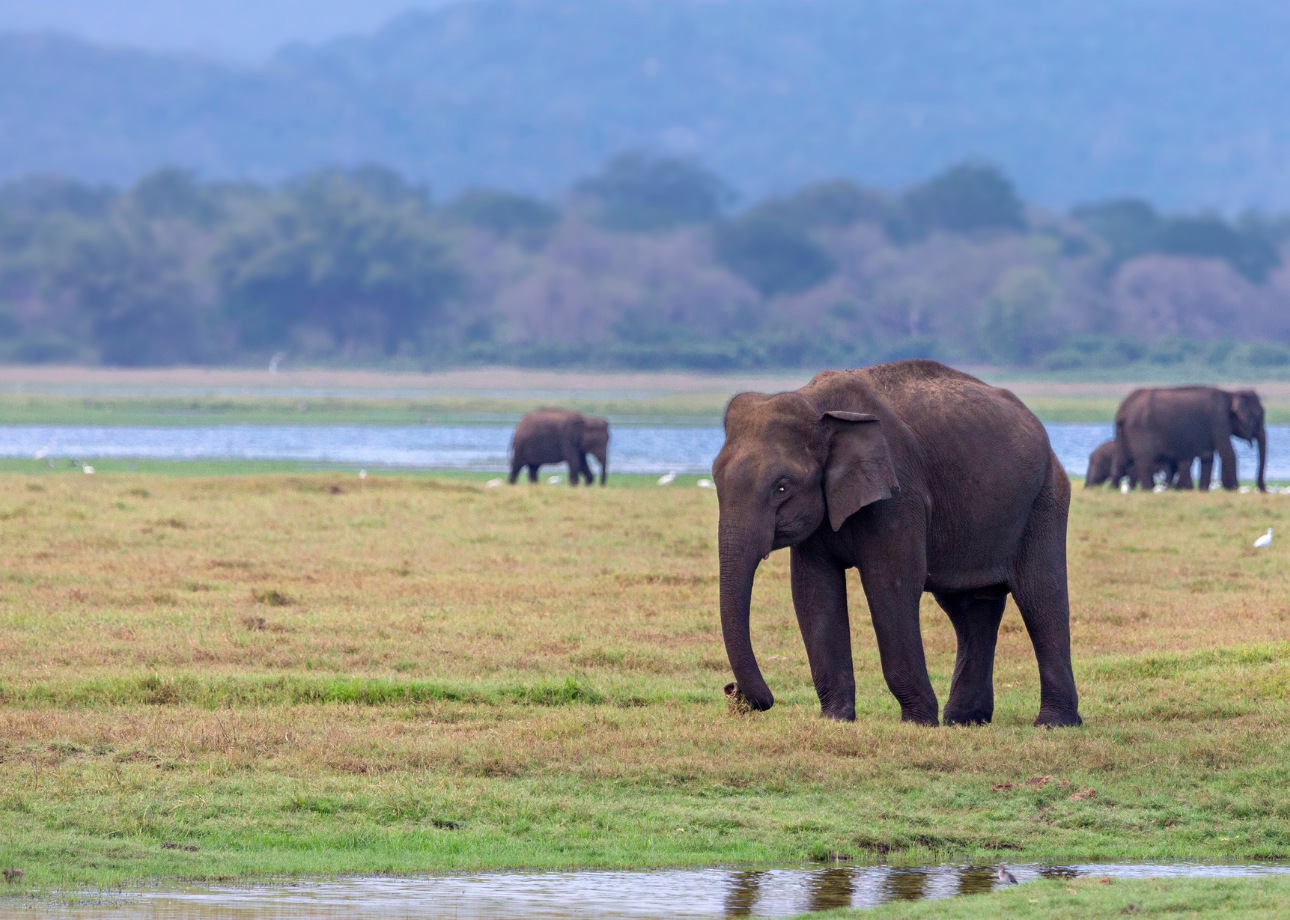
Sri Lanka packs an astonishing amount of wilderness into a small island. In just a few hours you can move from dry-zone leopard country to elephant-filled savannah, from misty cloud forests to coastal lagoons alive with flamingos. If you love wildlife, these are the 6 most visited national parks in Sri Lanka that belong on every nature lover's bucket list.
The list below is ranked by visitor numbers and reputation, and each park is paired with the best time to visit, must-see wildlife and a quick planning tip. For a longer trip planner, see our 15 Places to Visit in Sri Lanka: 2 Week Itinerary and the One Week in Sri Lanka Itinerary.
Quick comparison: Sri Lanka's top 6 national parks
| Rank | Park | Region | Famous for | Best time |
|---|---|---|---|---|
| 1 | Yala National Park | Southeast | Highest leopard density in the world | Feb–Jul |
| 2 | Udawalawe National Park | South | Wild elephants year-round | May–Sep |
| 3 | Wilpattu National Park | Northwest | Leopards, sloth bears, natural lakes ("villus") | Feb–Oct |
| 4 | Minneriya National Park | Cultural Triangle | "The Gathering" – up to 300 elephants | Jul–Oct |
| 5 | Horton Plains National Park | Central highlands | World's End cliff, cloud forest, sambar deer | Dec–Mar |
| 6 | Bundala National Park | Southeast coast | Migratory birds, flamingos, crocodiles | Sep–Mar |
1. Yala National Park — the leopard capital of the world
Location: Southeast, near Tissamaharama · Area: 979 km²
Yala is Sri Lanka's most visited and most famous wildlife reserve. Block 1 has one of the highest densities of leopards on the planet, and a morning safari can also reveal sloth bears, elephants, crocodiles, spotted deer and hundreds of bird species. The scrub jungle, granite outcrops and lagoons make every game drive visually cinematic.
- Wildlife highlights: Sri Lankan leopard, sloth bear, elephant, mugger crocodile, painted stork
- Best time to visit: February to July, when water levels drop and animals cluster around remaining waterholes
- Tip: Book a private jeep with a naturalist and start at the 6:00 a.m. gate opening; Block 1 is closed every September for wildlife recovery.
2. Udawalawe National Park — Sri Lanka's elephant kingdom
Location: Southern Province, edge of the hill country · Area: 308 km²
If you want a near-guaranteed sighting of wild Asian elephants, Udawalawe delivers. Around 500–800 elephants roam the open grasslands surrounding the Udawalawe reservoir, and you often see multiple herds on a single drive. The adjacent Elephant Transit Home rehabilitates orphaned calves before releasing them to the wild.
- Wildlife highlights: Asian elephant, water buffalo, jackal, crested serpent-eagle, endemic Sri Lanka junglefowl
- Best time to visit: May to September for dry-season concentrations
- Tip: Time your afternoon safari to end at the Elephant Transit Home's 4:00 p.m. milk feeding.
3. Wilpattu National Park — wild, quiet and full of leopards
Location: Northwest coast, north of Puttalam · Area: 1,317 km² (Sri Lanka's largest)
Wilpattu is named for its villus, natural sand-rimmed lakes scattered through dense dry forest. It sees a fraction of Yala's traffic, so sightings feel private and wild. Leopards, sloth bears, elephants and a healthy population of endemic birds all thrive here.
- Wildlife highlights: Leopard, sloth bear, spotted deer, mugger crocodile, painted stork
- Best time to visit: February to October (dry season)
- Tip: Stay at an eco-lodge on the park boundary and combine your trip with the historic ruins of Anuradhapura.
4. Minneriya National Park — home of "The Gathering"
Location: Cultural Triangle, near Sigiriya · Area: 89 km²
Every year between July and October, receding waters of the ancient Minneriya reservoir expose fresh grasslands, drawing up to 300 wild elephants together — the largest known seasonal gathering of Asian elephants on Earth. National Geographic has rated it one of the world's ten greatest wildlife spectacles.
- Wildlife highlights: Asian elephant herds, sambar deer, painted stork, grey heron, endemic Sri Lanka grey hornbill
- Best time to visit: August–September peak; if Minneriya is closed for rotation, jeeps head to neighbouring Kaudulla or Hurulu Eco Park where the same herds move.
- Tip: Pair the safari with a morning climb of Sigiriya Rock for the ultimate Cultural Triangle day.
5. Horton Plains National Park — the cloud forest and World's End
Location: Central highlands, above Nuwara Eliya · Altitude: 2,100–2,300 m
Horton Plains is unlike any other park on this list — no jeeps, no big cats, just a bracing 9 km circular hike through montane grassland and cloud forest to World's End, a sheer 870 m escarpment with views all the way to the south coast on a clear morning. Baker's Falls sits on the same loop.
- Wildlife highlights: Sambar deer, purple-faced langur, endemic bear monkey, Sri Lanka whistling thrush
- Best time to visit: December to March; start the hike before 7:00 a.m. — after 9:30 a.m. clouds usually swallow the view
- Tip: The early train from Ella or Nanu Oya to Ohiya station is the most scenic way in.
6. Bundala National Park — a Ramsar wetland for birders
Location: Southeast coast, near Hambantota · Area: 62 km²
Bundala is Sri Lanka's premier coastal wetland, a Ramsar site of international importance where lagoons, dunes and thorn scrub host almost 200 bird species. From September onwards, migratory greater flamingos arrive in the thousands, joined by pelicans, painted storks, ibises and terns.
- Wildlife highlights: Greater flamingo, painted stork, spot-billed pelican, elephant, marsh and estuarine crocodiles, all five of Sri Lanka's marine turtle species nest here
- Best time to visit: September to March for the migratory bird season
- Tip: Combine Bundala with Yala on a single southern loop — the two parks are only 20 km apart.
Planning your Sri Lanka safari trip
- Entry: All parks charge foreign visitors a park fee plus service, jeep, tracker and taxes — budget roughly USD 40–70 per person per park.
- Safari times: Two windows daily — 6:00 a.m.–10:00 a.m. and 2:30 p.m.–6:00 p.m. Morning drives generally deliver better sightings.
- What to pack: Neutral clothing, wide-brim hat, sunscreen, binoculars, a long lens (200 mm+) and plenty of water.
- Ethical safari: Choose operators that keep distance, never surround an animal and never drive off-track. Yala's leopards in particular have been stressed by crowding — pick quality over crowd.
Best time overall to visit Sri Lanka's national parks
Because Sri Lanka has two monsoons, the "dry" park is always shifting. Broadly:
- February to September — best for the southern and eastern parks (Yala, Udawalawe, Bundala, Wilpattu).
- July to October — best for Minneriya, Kaudulla and Hurulu (The Gathering).
- December to March — best for Horton Plains and the highlands.
Book your Sri Lanka wildlife tour
Ready to see leopards, elephants and flamingos on the same trip? Our partners at Seerendipity Tours and Serendipity Private Tours design custom multi-park safaris with private jeeps and expert naturalists.
For more inspiration, browse the rest of our Sri Lanka travel blog, including our guides on monsoon trekking and the 14-day itinerary.
Reader reviews
No reviews yet — be the first to share your experience.